Animal therapy—more accurately known as animal rehabilitation and behavioural therapy—is a rapidly growing field in the UK veterinary and animal care sector. As pets live longer and standards of care increase, the demand for specialist therapy services for animals has never been higher.
From post-surgical recovery to managing chronic pain and addressing behavioural issues, animal therapy plays a vital role in improving both quality of life and clinical outcomes.
This guide explores the types of animal therapy, benefits, and why continued professional development is essential for those working in this evolving field.
Animal therapy refers to a range of professional treatments designed to support an animal’s physical recovery, mobility, and behavioural wellbeing.
It typically includes:
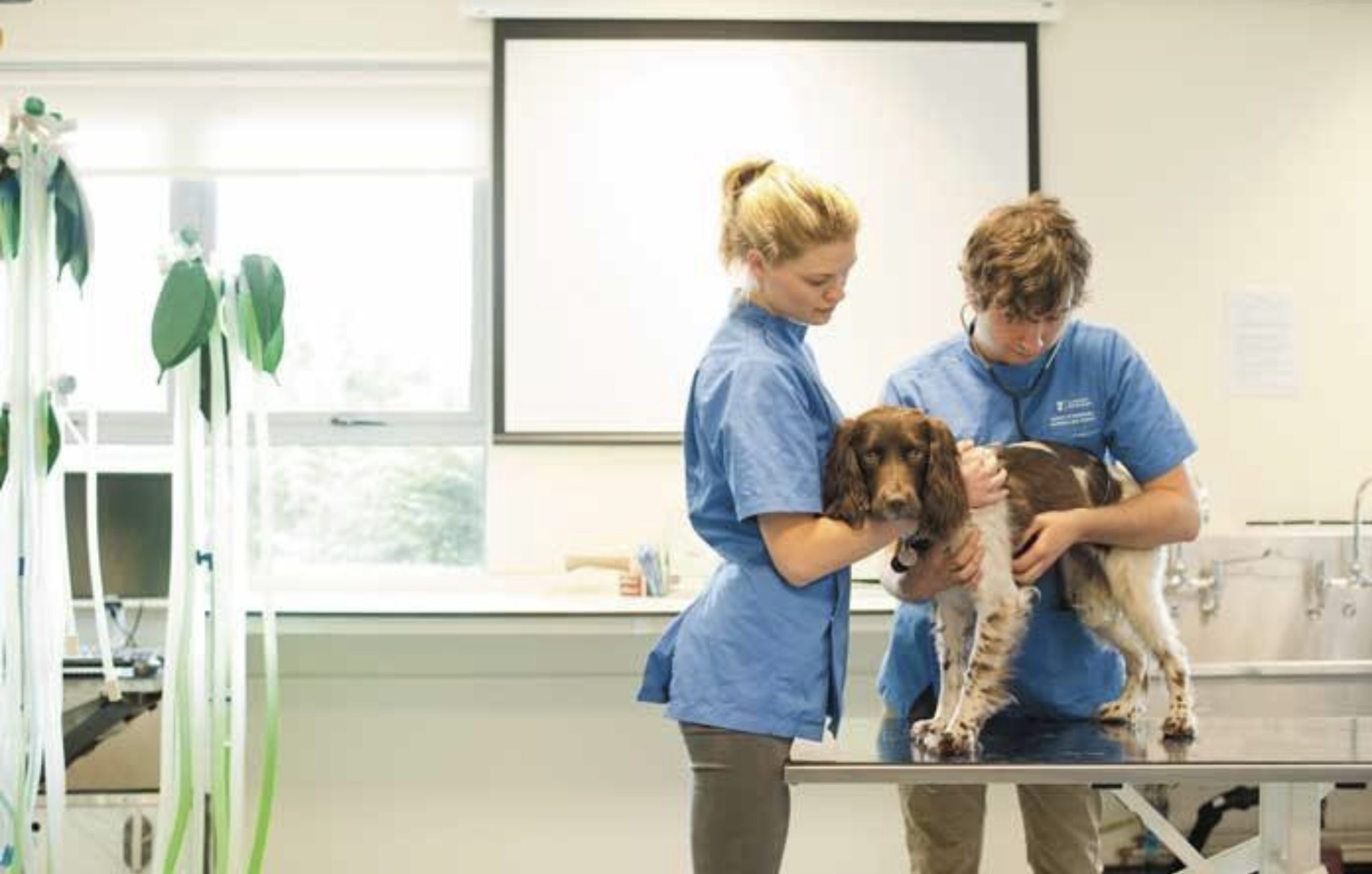
These therapies are often used alongside veterinary care, creating a multidisciplinary approach to treatment.
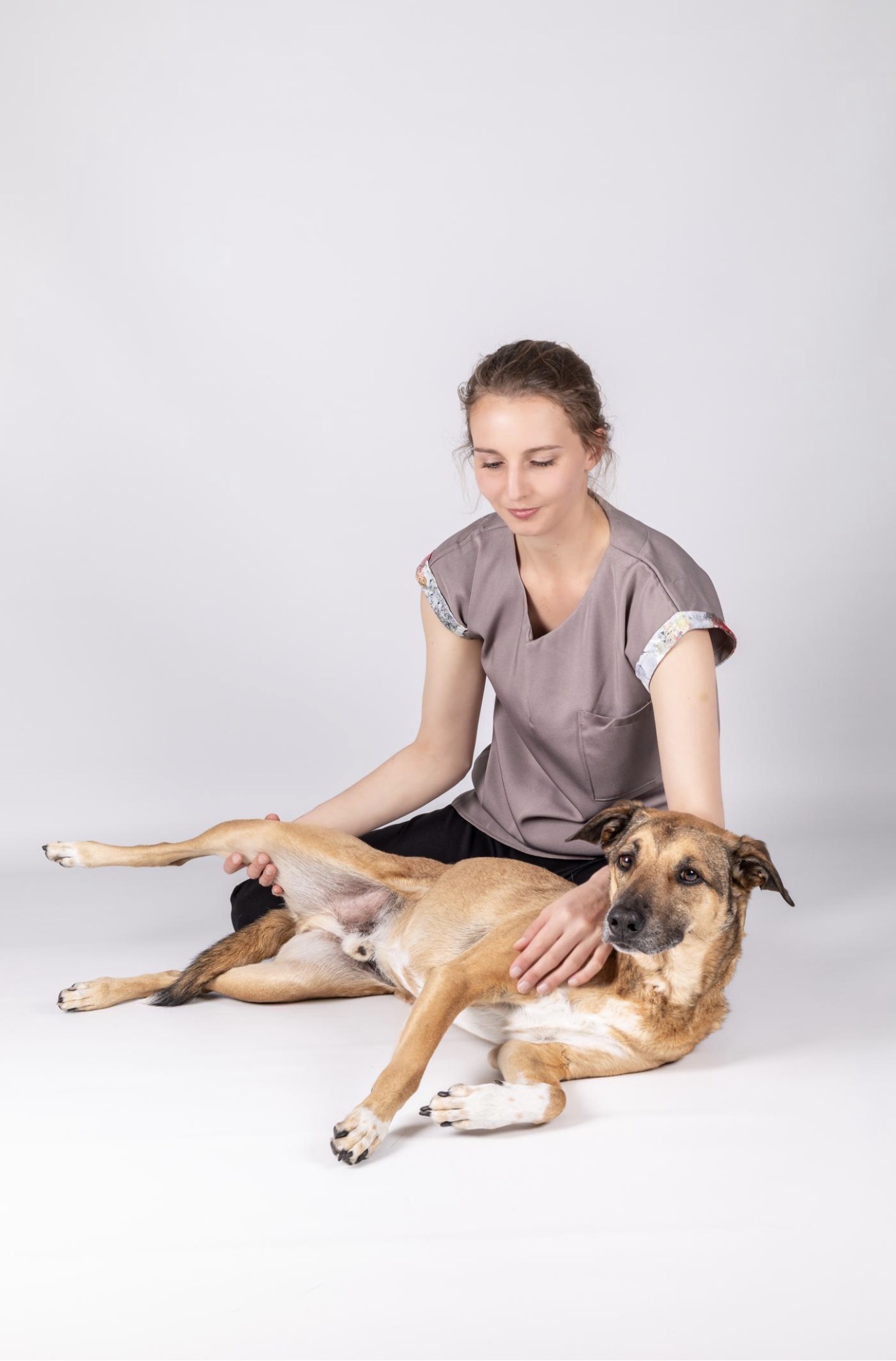
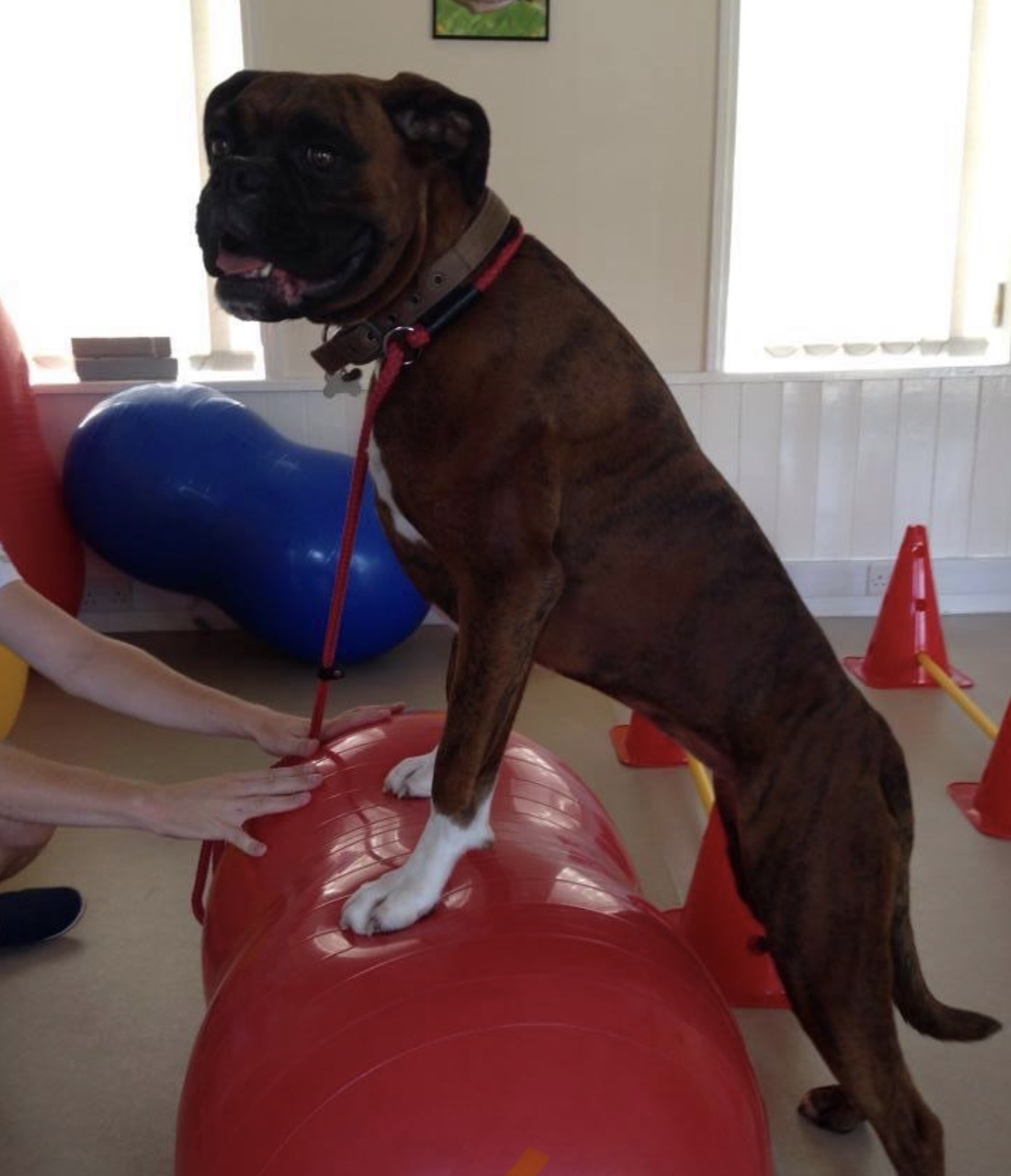
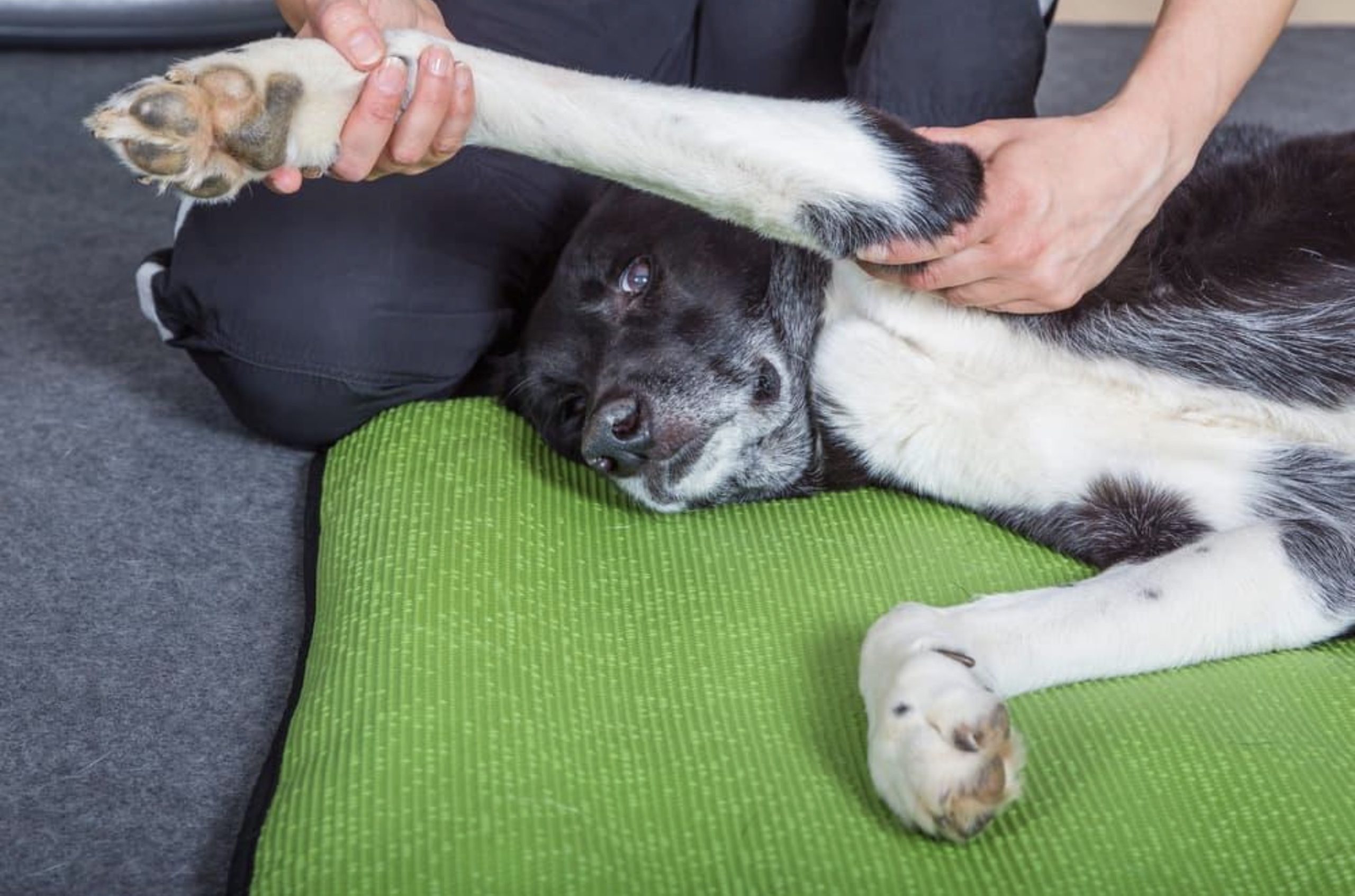
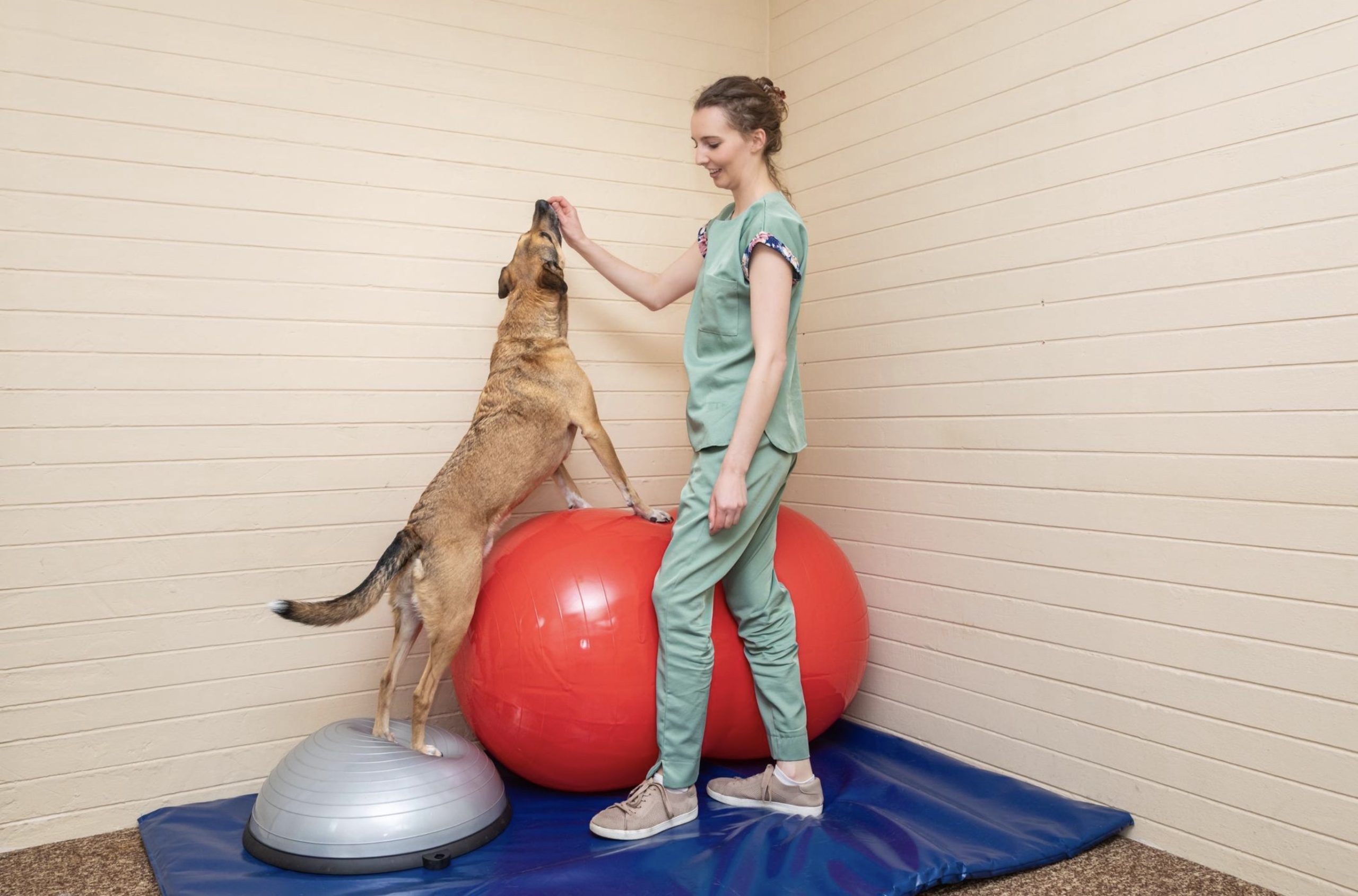
Animal physiotherapy focuses on restoring strength, flexibility, and mobility.
Common techniques include:
Widely used for orthopaedic injuries, arthritis, and post-operative recovery
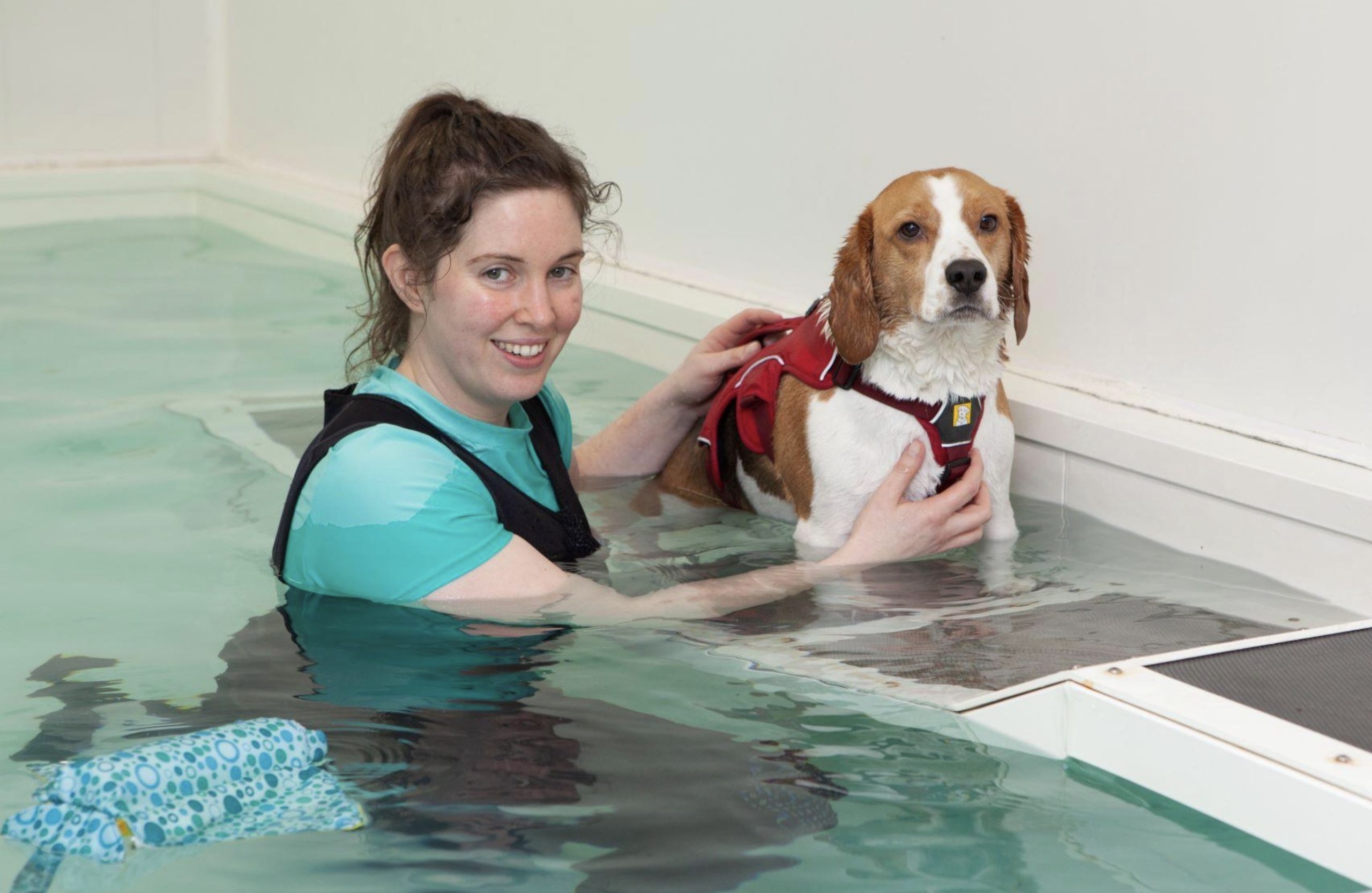
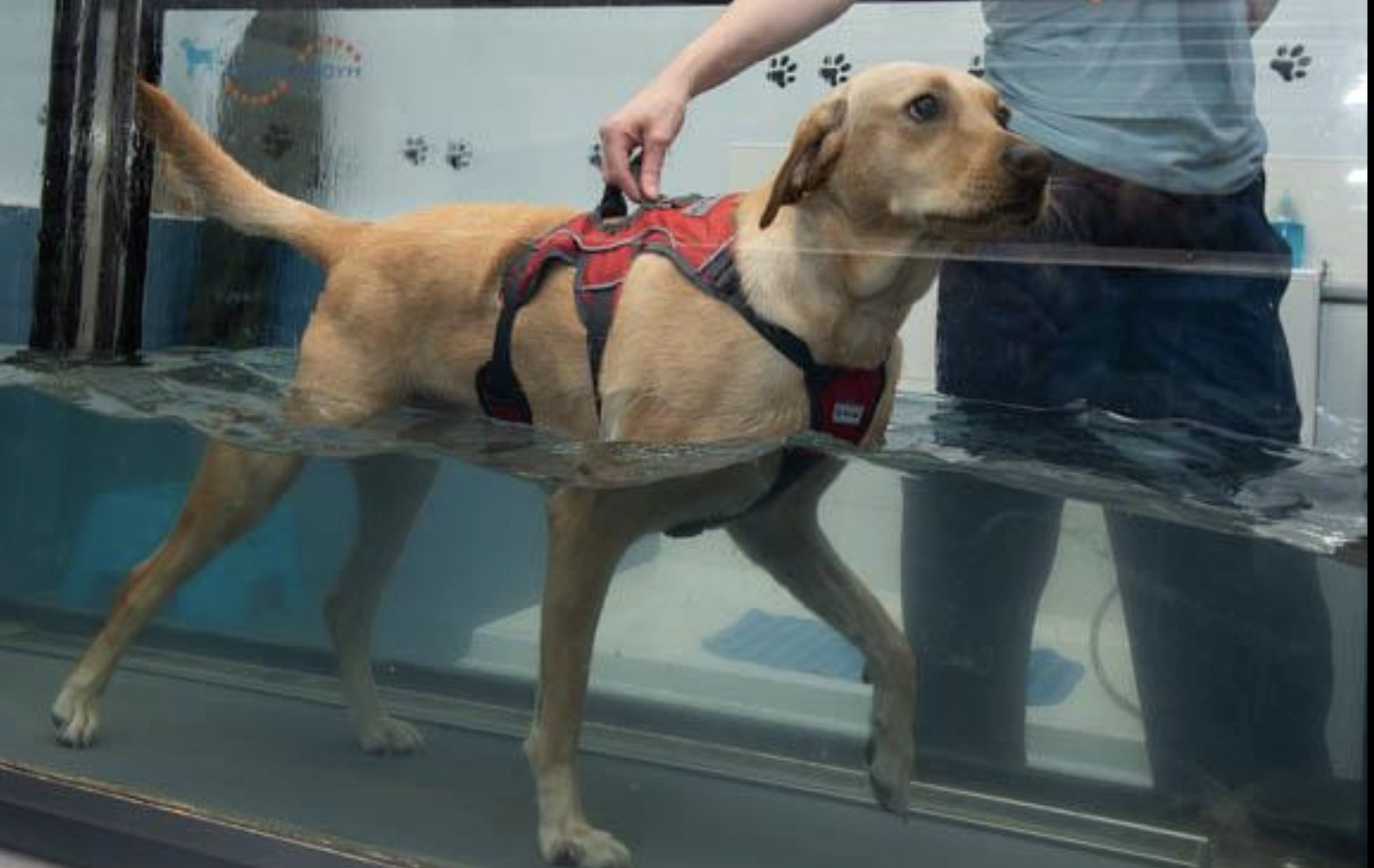
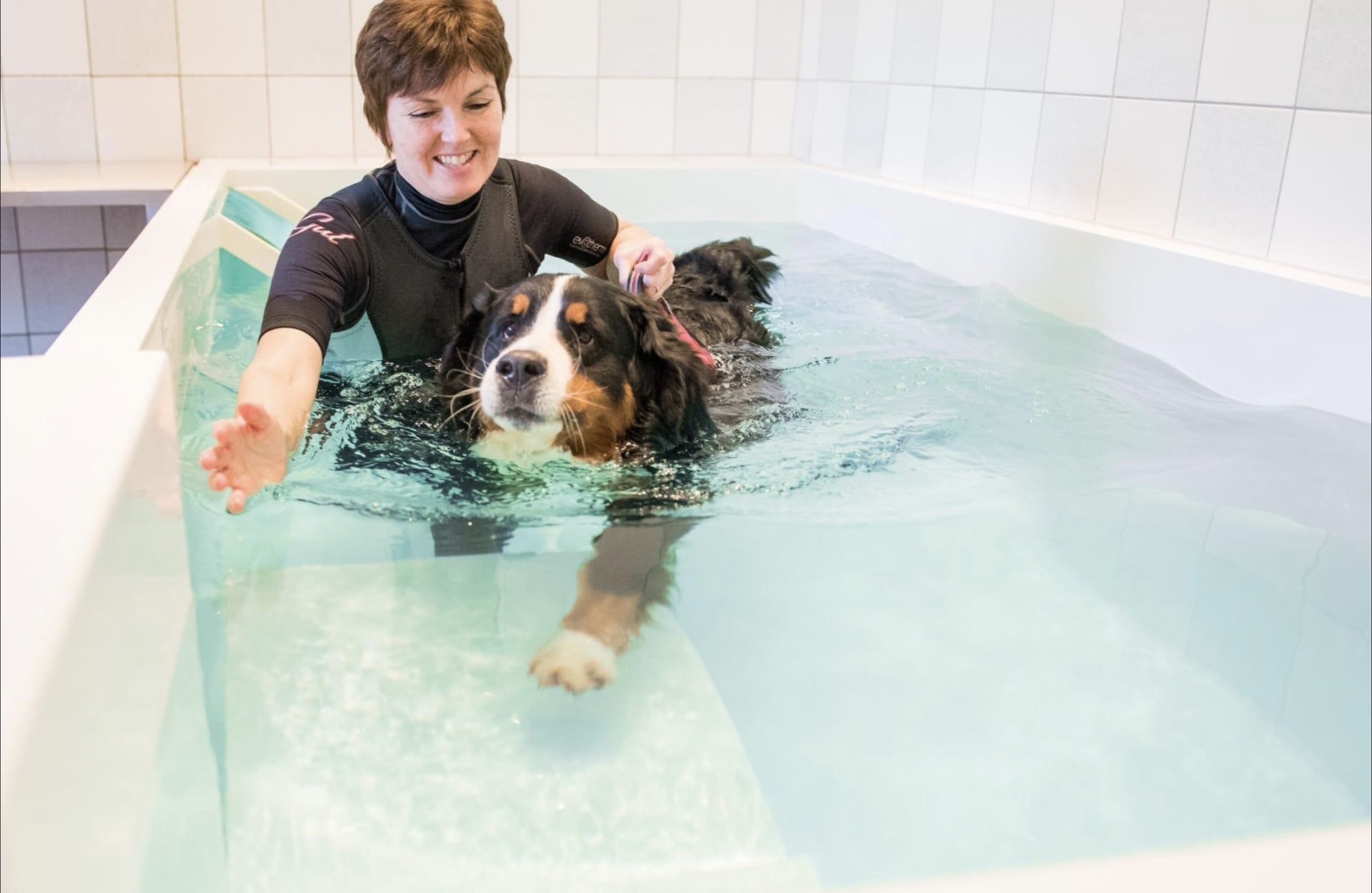
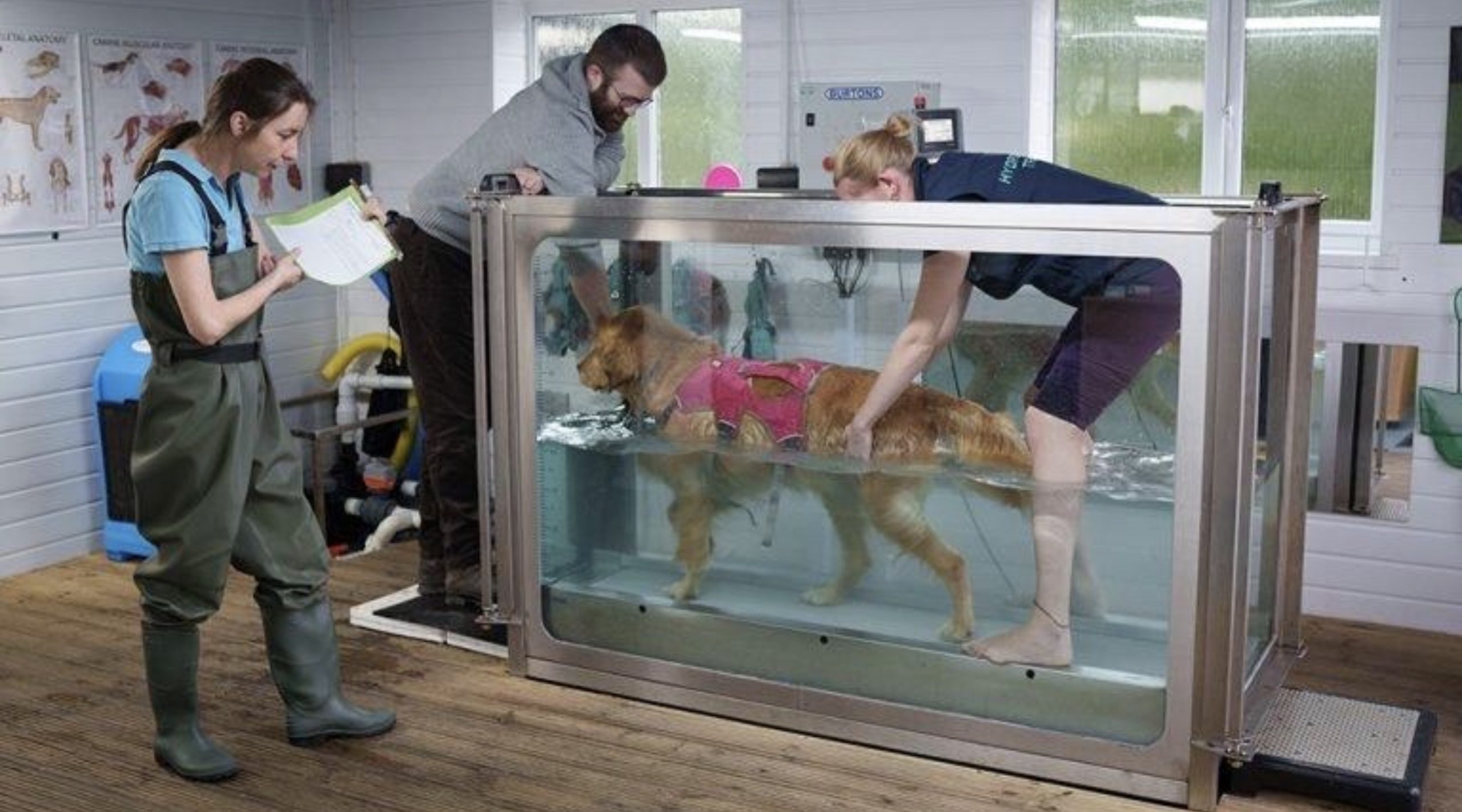
Hydrotherapy uses water to support rehabilitation while reducing strain on joints.
Key benefits:
Particularly effective for:

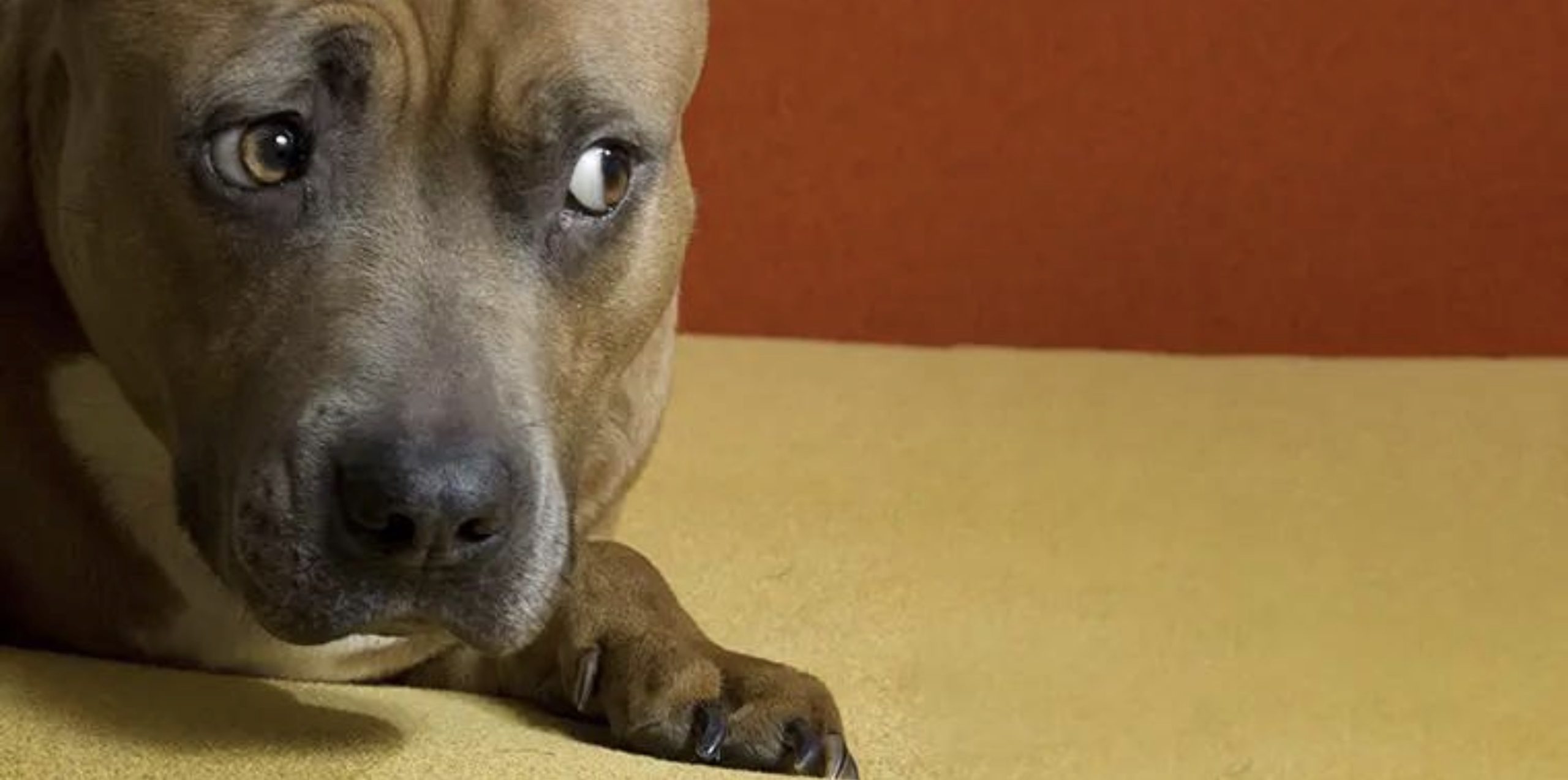
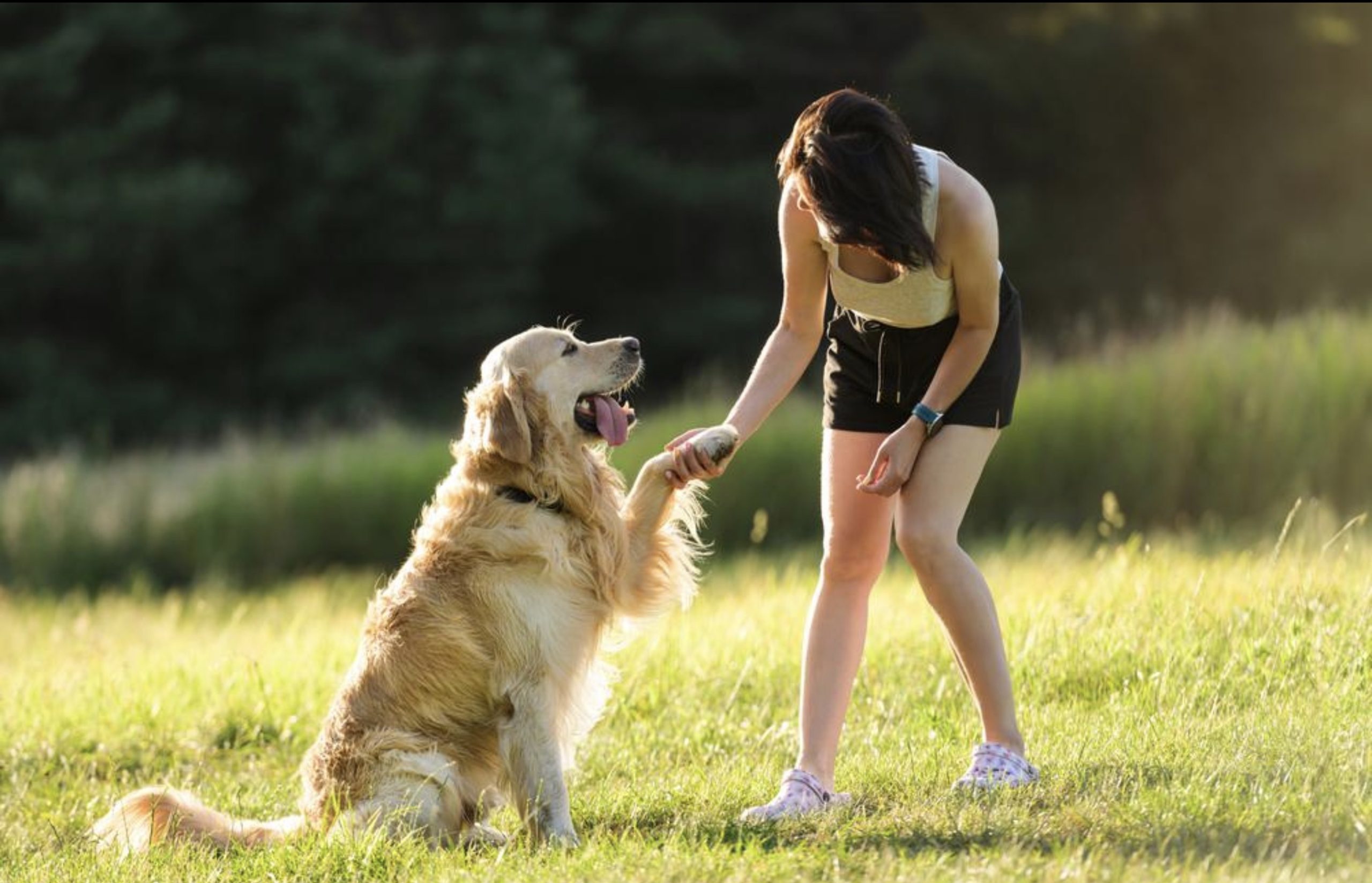
Behavioural therapy addresses emotional and psychological challenges in animals.
This includes:
Qualified behaviourists use evidence-based training and environmental management to improve outcomes.
Additional approaches may include:
These are often integrated into a holistic rehabilitation plan.
Animal therapy is commonly used to treat:
Early intervention can significantly improve recovery time and long-term outcomes.
⸻
Several factors are driving demand:
As a result, animal therapy is becoming a core part of modern veterinary care, not just an optional extra.
⸻
For professionals working in this field, continuing professional development (CPD) is essential.
It ensures:
With rapid advancements in rehabilitation methods, staying current is critical.
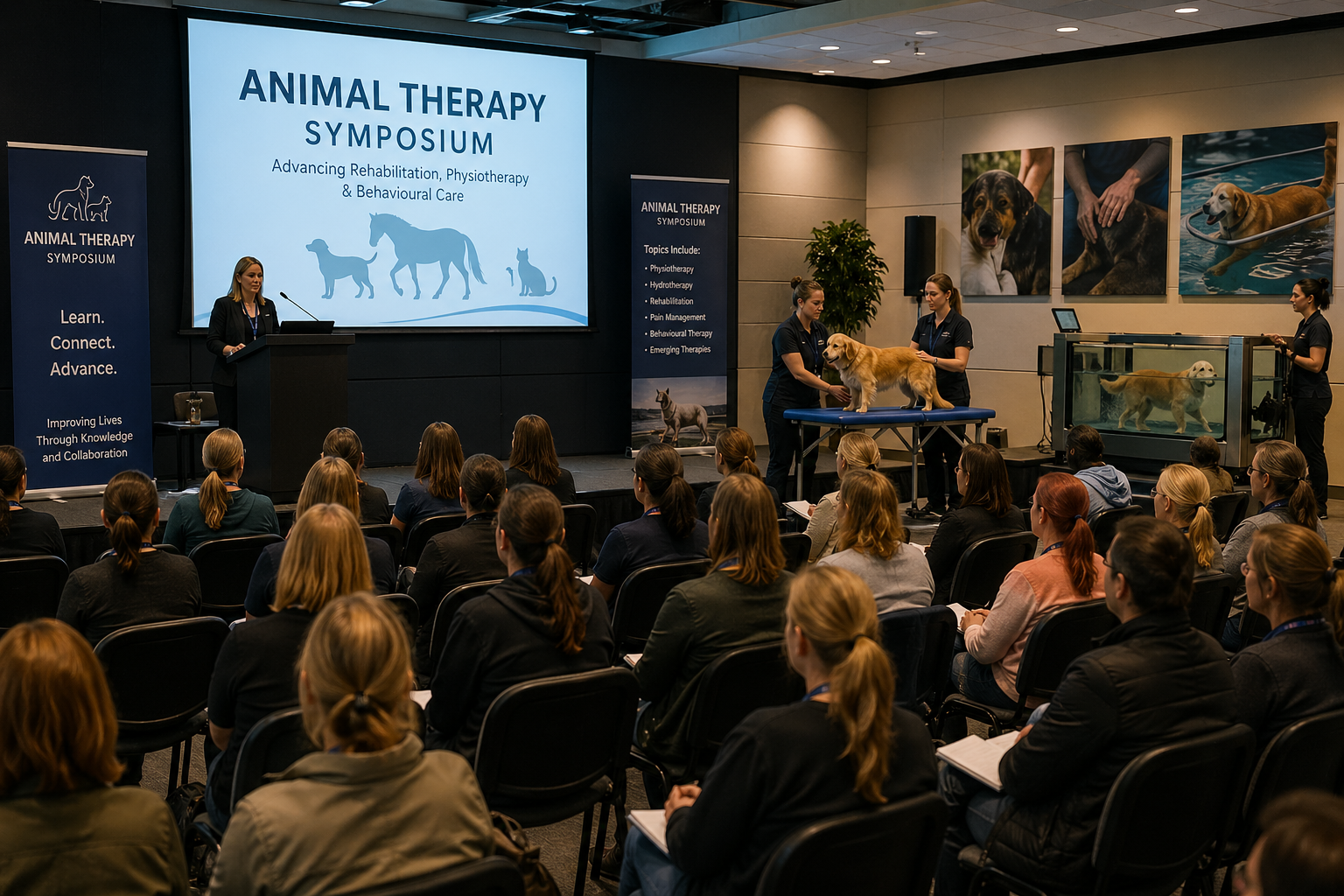
Attending a dedicated symposium provides:
For veterinary professionals, physiotherapists, and behaviourists, it’s an opportunity to enhance skills and stay ahead in a competitive field.
Animal therapy is transforming the way we care for animals—offering evidence-based solutions for recovery, mobility, and behavioural health.
As the field continues to evolve, education and collaboration are key. Whether you are a vet, therapist, or animal care professional, investing in your knowledge through specialist events and CPD is essential for delivering the highest standard of care.